
Teaching Philosophy
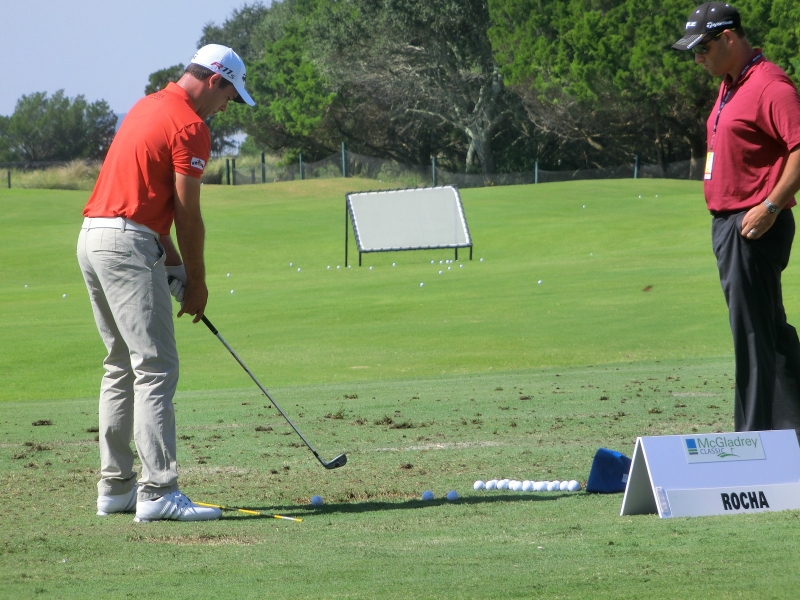
When it comes to golf instruction, there are a variety of ways to go about helping a student to improve their game. The term “method” can be broad and is a misunderstood word in the world of golf, however all great teachers have some kind of a system that they believe in and implement during golf lessons. In trying to keep things as simple as possible, my primary goal with students is to formulate a plan for success based on their particular aspirations. Some golfers strive to become a single digit handicap, while others are content to shoot in the 90’s or simply hit the ball a little further. Based on this feedback, I work with my students to create a plan that enables them to achieve realistic goals. To make this process work, it is important to work with students in areas in which they excel naturally.
There are many areas involved in playing good golf. The long game, the short game (chipping & pitching), putting, golf course management, and mental outlook are all important factors that affect the outcome of a round. With this in mind, I like to stress the importance of working on improving all areas that are involved in the game, especially the fundamentals of a students' grip, stance, posture, and alignment, which are often overlooked.
Educating students on their overall game and pointing out strengths and weaknesses are important parts of the process. A golfer should be aware of their faults and tendencies and constantly strive to improve in these areas. Each lesson that I teach focuses on finding the one main area that is having the biggest negative influence on my students' swing and minimize this area as much as possible. Often times, improving just one aspect of the swing allows three or four other components to fall nicely into place without giving them much attention. If a golfer is working on the correct areas, they should see an instant improvement, especially on the practice range.
Jason Birnbaum, Director of Instruction
Manhattan Woods Golf Club

Jason Birnbaum Appears On Golf Magazine Teachers To Watch List
December 20, 2021
Jason Birnbaum has recently been recognized by Golf Magazine, appearing on their "Teachers To Watch" list for 2021-2022. The selection committee of teachers highlighted...
Birnbaum recognized on Golf Digest's Best In-State Teachers list
December 10, 2021
In the latest December, 2021 issue of Golf Digest Jason Birnbaum is recognized as one of the top teachers in the state of New York! Ballots were distributed to over 1,500...
Jason Birnbaum Partners With Titleist
February 26, 2020
Jason Birnbaum is happy to announce that starting in 2020 he will be representing the Titleist golf brand! Known as one of the most respected brands in golf, Titleist is at the forefront...
Contact Us Today
Located in West Nyack, NY
Phone
201-655-0704
Address
1 Ahlmeyer Drive, West Nyack, NY 10994